 Skip to content



Itchy Scalp? The Natural Causes and Fixes That Actually Work
An itchy scalp is one of those small miseries that colonises your whole day. You notice it in meetings, you notice it on the pillow, and the more you scratch, the worse it gets. The frustrating part is that the products promising to fix it are often part of the problem: harsh detergents and synthetic fragrance that strip and irritate the very skin they are supposed to calm. This guide walks through the common causes and the natural routine that actually helps, without medical drama and without miracle claims.
First, why is your scalp itchy?
Four causes account for most itchy scalps. Dryness, where hot water, cold weather and stripping shampoos leave the skin tight and flaky. Irritation, a reaction to fragrance or harsh sulphates in hair products, which often shows up as itching without much flaking. Product buildup, when styling products and silicones accumulate and the scalp underneath protests. And dandruff, the familiar flaking linked to an overgrowth of a yeast that lives on everyone's scalp, which flares in some people and not others.
One honest caveat before the fixes: if your scalp is very red, weeping, patched with thick scale, or the itching persists despite a gentler routine, see a pharmacist or GP. Conditions like psoriasis and eczema need proper diagnosis, and no shampoo, natural or otherwise, is a substitute for that.
The four causes, up close
Dry scalp
The most common and the most self-inflicted. Hot showers, central heating, cold wind and, above all, shampoos built on aggressive sulphates strip the scalp's natural oils faster than it can replace them. The tell-tale signs are tightness after washing, fine white flakes (smaller and drier than dandruff), and itching that gets worse in winter. The fix is less about adding products than about subtracting harshness.
Irritation and sensitivity
Synthetic fragrance is the most common cosmetic allergen there is, and it is in almost every conventional shampoo, along with harsh detergents and preservatives that sensitive skin objects to. Irritation typically itches without much flaking, and often starts after a change of product. If your scalp began complaining around the time a new bottle arrived in the shower, you probably already know the culprit.
Product buildup
Dry shampoo, styling paste, leave-in conditioner and the silicones in conventional products all accumulate. The scalp underneath becomes congested, itchy and often a little dull at the roots. If you use styling products most days and cannot remember your last product-free week, buildup deserves a place on your suspect list.
Dandruff
The one everybody has heard of: flaking and itching linked to an overgrowth of malassezia, a yeast that lives harmlessly on every human scalp but flares in some. The flakes are typically larger and oilier than dry-scalp flakes. Mild cases respond well to gentle, consistent care with herbal actives; stubborn or severe cases are exactly what pharmacists are for.
The fix, step by step
Step 1: stop the stripping
Whatever else you change, switch to a gentle, natural shampoo without harsh sulphates or synthetic fragrance, and wash with warm rather than hot water. Many itchy scalps improve on this change alone, because the skin finally stops being stripped twice a day. Our sensitive scalp collection is built for exactly this reset.
Step 2: match the shampoo to the cause
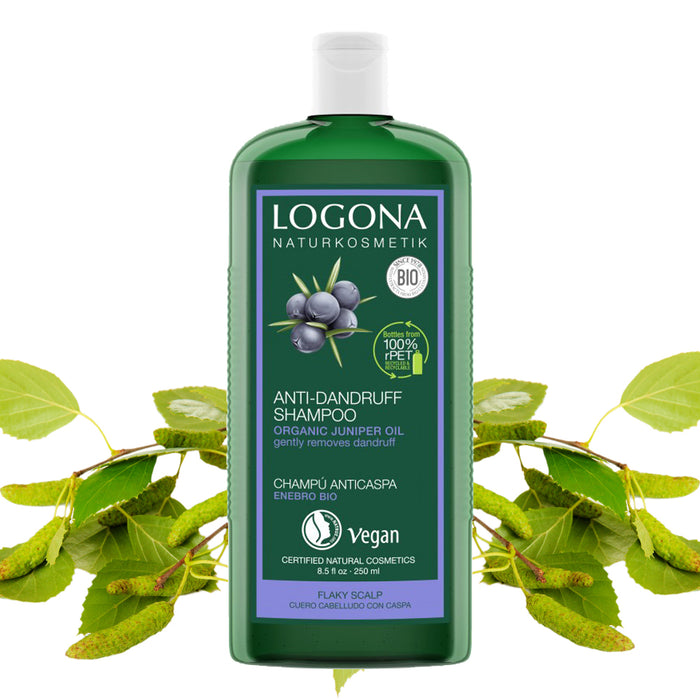
For itching with flaking, Logona's Treatment Shampoo with juniper (£9.95) is the classic herbal answer, formulated specifically for itchy, flaky scalps and gentle enough for regular use. For itching with oiliness, Logona's Balance Shampoo with lemon balm (£9.95) calms the scalp while cleansing without over-stripping, which matters because a stripped scalp often responds by producing more oil, not less. And for men who want one no-nonsense bottle, Green People's Itch Away Shampoo (£18.50) does what the name says, with the brand's trademark gentleness for sensitive skin.
Shop Itchy Scalp Shampoos →Step 3: clear the buildup
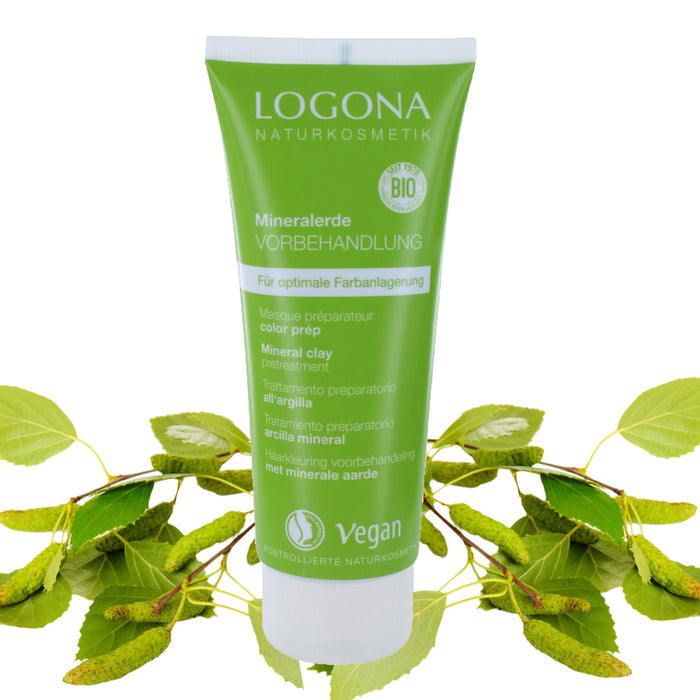
If styling products are part of your routine, a periodic reset helps. Logona's Mineral Clay Pre-Treatment (£8.95) was designed to strip residue and buildup from hair before colouring, which is precisely the job a congested scalp needs doing occasionally: used before shampooing, it works the way a clay mask does on your face, leaving the scalp genuinely clean rather than coated. Once a fortnight is plenty.
Shop the Mineral Clay Pre-Treatment →Step 4: give it time
Natural routines are not overnight routines. Expect a transition period of one to two weeks as your scalp rebalances, especially if you are coming off harsh anti-dandruff formulas, and judge results at the one-month mark. Consistency beats intensity: the same gentle routine daily does more than a strong product used in desperation.
The washing habits that help
Products are half the answer; habits are the other half. Wash with warm water, never hot, and rinse for longer than feels necessary, since half-rinsed shampoo is its own irritant. Massage with fingertips, not nails, which turn an itch into broken skin. Clean your hairbrush weekly, wash pillowcases regularly, and if you use dry shampoo, treat it as an occasional tool rather than a daily one. None of these cost anything, and together they remove most of the friction your scalp is reacting to.
While things calm down, press pause on the aggravators: very hot styling, tight hairstyles that tug at the roots, and the temptation to 'treat' the itch with strong products in rotation. A scalp mid-recovery wants boredom, the same gentle routine, repeated.
What we looked for
Formulas designed for the specific complaint rather than generic 'soothing' claims. No harsh sulphates, no synthetic fragrance, the two most common scalp provocateurs. Herbal actives with a track record, juniper, lemon balm, mineral clay. And products gentle enough to use as your everyday shampoo, because an itchy scalp needs a routine, not a rescue.
Frequently asked questions
Why is my scalp itchy but I have no dandruff?
Itching without flaking usually points to dryness or irritation rather than dandruff. A gentler, fragrance-light shampoo and cooler water are the first things to try.
How long until a natural shampoo makes a difference?
Give it two to four weeks of consistent use. A brief transition period is normal, particularly if your old shampoo was heavily stripping.
Can washing my hair less help an itchy scalp?
Sometimes, if over-washing is the cause. But infrequent washing with a harsh shampoo helps less than regular washing with a gentle one. Change the shampoo first, then experiment with frequency.
When should I see a doctor about an itchy scalp?
If it is severe, persistent beyond a month of gentler care, or comes with redness, weeping, hair loss or thick scaly patches. Those need a diagnosis, not a different shampoo.
Are these shampoos safe for coloured hair?
Gentle, sulphate-light formulas are generally kinder to colour than stripping ones, and Logona makes dedicated colour-care shampoos if that is your priority. Check the individual product page for colour-safety notes.
Can children use natural anti-itch shampoos?
The gentle formulas here suit most of the family, but for babies and young children stick to products specifically formulated for them, and ask a pharmacist if a child's scalp condition persists.
Shop the full range
You will find every product above in our itchy scalp and dandruff collection, alongside the full sensitive scalp and scalp treatment ranges. Your scalp is skin. Treat it like your face, and it will stop shouting at you.
Shop Itchy Scalp & Dandruff Care →
Leave a comment